Asphalt Plant Multicyclone: Function and Operation | Pars Badie
What Is an Asphalt Plant Multicyclone and How Does It Work?
Introduction
A multicyclone is a component used in asphalt plant dust collection systems to separate a portion of the dust particles from exhaust gas. During asphalt production, the drying and heating of aggregates generate gas streams containing dust and fine particles. Controlling these particles is important for reducing dust emissions and supporting the effective operation of downstream dust collection equipment.
A multicyclone uses centrifugal force to separate some solid particles from the gas stream. It is commonly used as a preliminary dust separation stage alongside additional equipment, such as a bag filter.
What Is a Multicyclone?
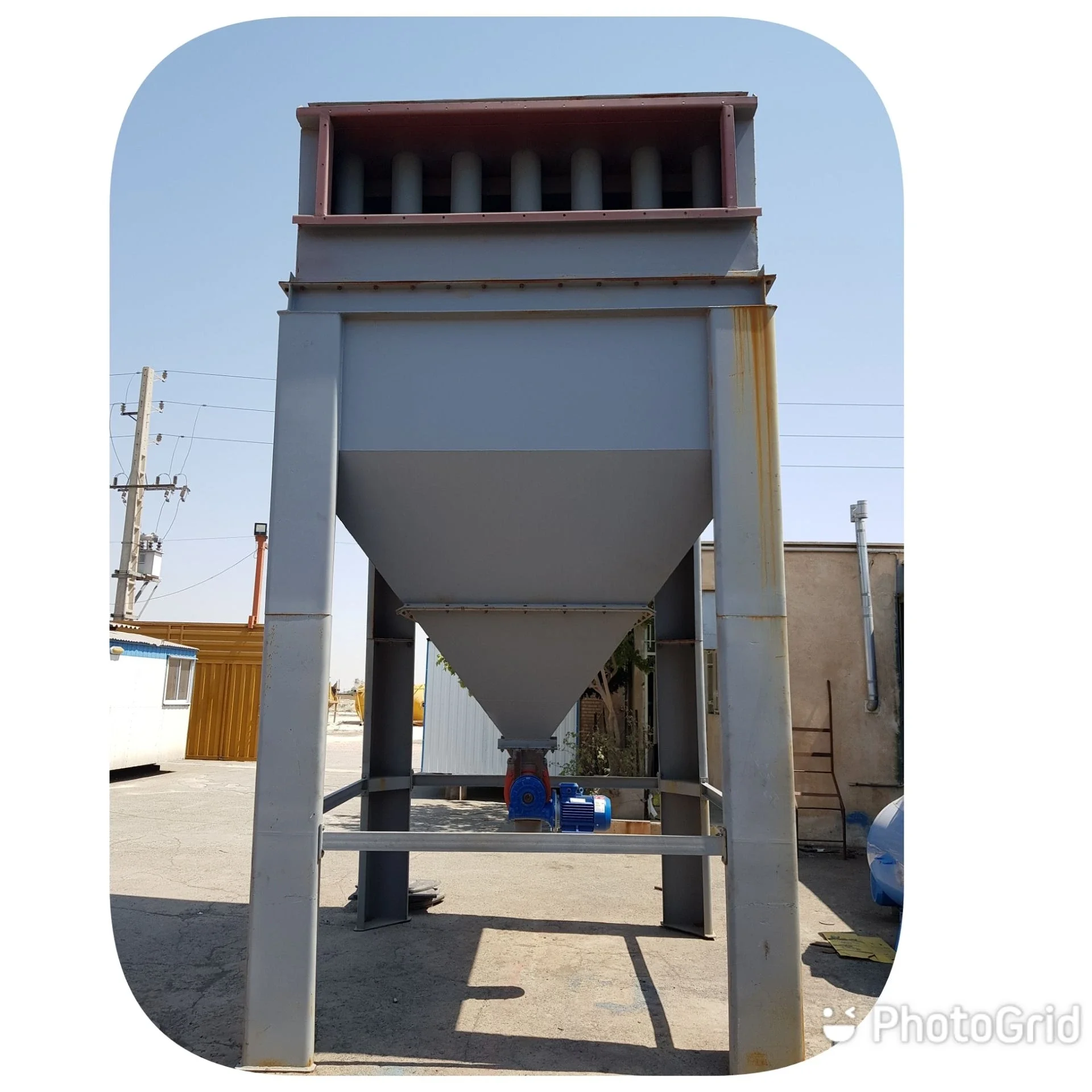
A multicyclone consists of multiple small cyclones arranged together inside a common housing. Each cyclone creates a rotating gas flow that helps separate solid particles from the moving gas.
Using several cyclones in one assembly allows the system to handle an appropriate gas flow while removing a portion of the suspended dust. Separation efficiency depends on factors such as particle size, gas flow rate, cyclone design, and operating conditions.
How Does an Asphalt Plant Multicyclone Work?
Exhaust gases from an asphalt plant dryer typically contain dust generated during aggregate drying and handling. This gas stream enters the multicyclone through a designed inlet.
The operating process can be divided into four main stages.
1. Dust-Laden Gas Inlet
Dust-laden gas enters the cyclone assembly through the inlet. The inlet geometry helps establish the rotational flow required for particle separation.
2. Formation of Rotational Flow
As the gas rotates inside the cyclones, solid particles are driven toward the cyclone walls by centrifugal force. This movement helps separate particles from the main gas stream.
3. Particle Separation and Collection
Some of the separated particles move toward the lower section of the equipment, where they are collected and discharged through the designated outlet. Proper discharge design is important because material accumulation can interfere with system performance.
4. Gas Discharge
After passing through the cyclones, the gas leaves the multicyclone through its outlet. Depending on the plant design, the gas may then pass to a bag filter for further dust removal.
Main Components of a Multicyclone
The components of a multicyclone may vary according to its capacity and design. Typical components include:
Main housing
Internal cyclone elements
Dust-laden gas inlet
Gas outlet
Particle collection section
Dust discharge hopper or outlet
Connecting flanges and fittings
Proper component design helps distribute the gas flow, improve particle separation, and make maintenance easier.
What Is the Difference Between a Multicyclone and a Bag Filter?
Multicyclones and bag filters are both used in asphalt plant dust collection systems, but they operate differently.
A multicyclone uses centrifugal force to remove a portion of the solid particles from the gas stream. It is generally used for preliminary dust separation and does not remove all fine particles on its own.
A bag filter, on the other hand, passes the gas through filter bags that capture dust on the filter surfaces. It is commonly used for further dust removal.
In many asphalt plants, installing a multicyclone upstream of a bag filter can help reduce the dust load entering the filter system. However, equipment selection and arrangement should be based on the design requirements of the complete dust collection system.
Factors Affecting Multicyclone Performance
Several factors influence multicyclone performance.
Particle size: Larger particles are generally easier to separate than very fine particles.
Gas flow rate and velocity: The flow conditions must match the equipment design. Inappropriate changes in gas flow can reduce separation efficiency.
Cyclone design: Cyclone diameter, geometry, inlet and outlet dimensions, and the number of cyclone elements all affect performance.
Gas flow distribution: Uneven distribution among the cyclone elements can reduce the efficiency of the overall assembly.
Dust discharge conditions: Blockages or material accumulation in the discharge section can interfere with separation.
Operating conditions: Gas temperature, gas composition, and dust characteristics should be considered during equipment design and selection.
Asphalt Plant Multicyclone Maintenance
Regular inspection and maintenance help maintain the performance of the dust collection system. Important maintenance tasks include:
Inspecting the housing and connections for leaks or damage
Checking the discharge path for dust accumulation or blockages
Inspecting the internal cyclone elements
Checking the gas inlet and outlet connections
Looking for wear in areas exposed to particle impact
Verifying the proper operation of the exhaust fan and related equipment
Internal inspections and repairs should only be performed after the equipment has been safely shut down and in accordance with applicable maintenance and safety procedures.
Conclusion
An asphalt plant multicyclone is an important component of a dust collection system. By using centrifugal force, it separates a portion of the dust particles from the gas stream and is commonly used as a preliminary separation stage alongside equipment such as a bag filter.
Selecting a suitable multicyclone depends on plant capacity, gas flow rate, particle characteristics, and the design of the overall dust collection system. Proper design, installation, and regular maintenance can help improve system performance and reliability.
Pars Badie Machinery Co. specializes in the design and manufacture of asphalt plant equipment. Selecting equipment that matches the requirements of each project is an important factor in achieving reliable plant operation.